What to Look for in Gold Claddagh Jewelry: A Buyer's Checklist
Understanding the Metal Options for Claddagh Rings
When you start shopping for a Claddagh ring, the first decision is often which metal to choose. The metal affects the ring's look, durability, and how it feels on your finger. It also influences the price, but that is not the only factor. The metal's purity and alloy content determine how well the ring will hold up over years of daily wear. This checklist guides you through the key points to examine before you buy.
Check the Metal Purity
Gold jewelry is rarely pure 24K gold because that metal is too soft for everyday rings. Instead, gold is mixed with other metals to create an alloy that is stronger and more scratch-resistant. The karat number tells you the percentage of pure gold in the mix. Common choices for Claddagh rings are 10K, 14K, and 18K gold. 10K gold contains about 41.7% gold and is the most durable, making it a practical choice for a ring worn daily. 14K gold has 58.3% gold and offers a good balance between durability and a richer yellow color. 18K gold is 75% gold, giving a deeper gold hue, but it is softer and may show scratches sooner. Platinum is another option, though it is denser and more expensive; it is naturally white and hypoallergenic. Sterling silver is a popular and more affordable alternative, but it tarnishes over time and requires regular polishing.
Look at the Alloy Content
The metals mixed with gold affect the ring's color and strength. For yellow gold, the alloy often includes copper and silver. Rose gold gets its pink tint from a higher copper content. White gold is created by mixing gold with nickel, palladium, or manganese, and it is usually plated with rhodium to give it a bright white finish. That rhodium plating can wear off and needs reapplication every few years. If you have sensitive skin, nickel in white gold can cause a reaction. In that case, palladium-based white gold or platinum may be better choices. Understanding what is in the alloy helps you avoid allergic reactions and ensures the ring keeps its intended color.
Examine the Hallmarks
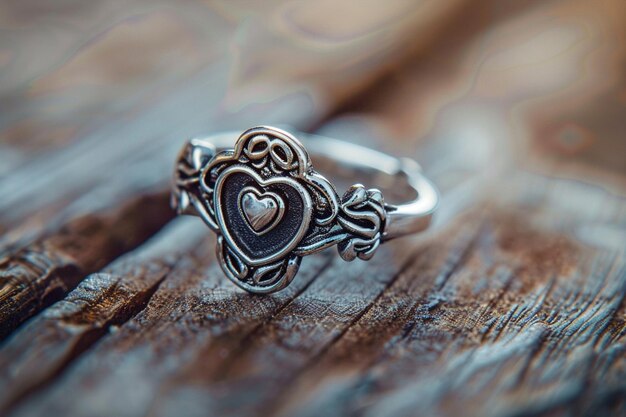
Hallmarks are small stamps inside the ring that indicate the metal purity. They are required by law in many countries. For gold, you might see marks like "10K", "14K", "18K", or "585" (which means 58.5% gold, the European equivalent of 14K). Platinum is marked as "PT" or "950". Sterling silver is stamped "925". These marks are your assurance that the metal is what the seller claims. Always check for a hallmark before buying. If a ring has no hallmark, ask the seller why. Reputable jewelers will have their own maker's mark alongside the purity stamp. Diamond-rings-info provides practical guides on interpreting these hallmarks when you are comparing pieces online or in a store.
Consider the Style and Symbolism
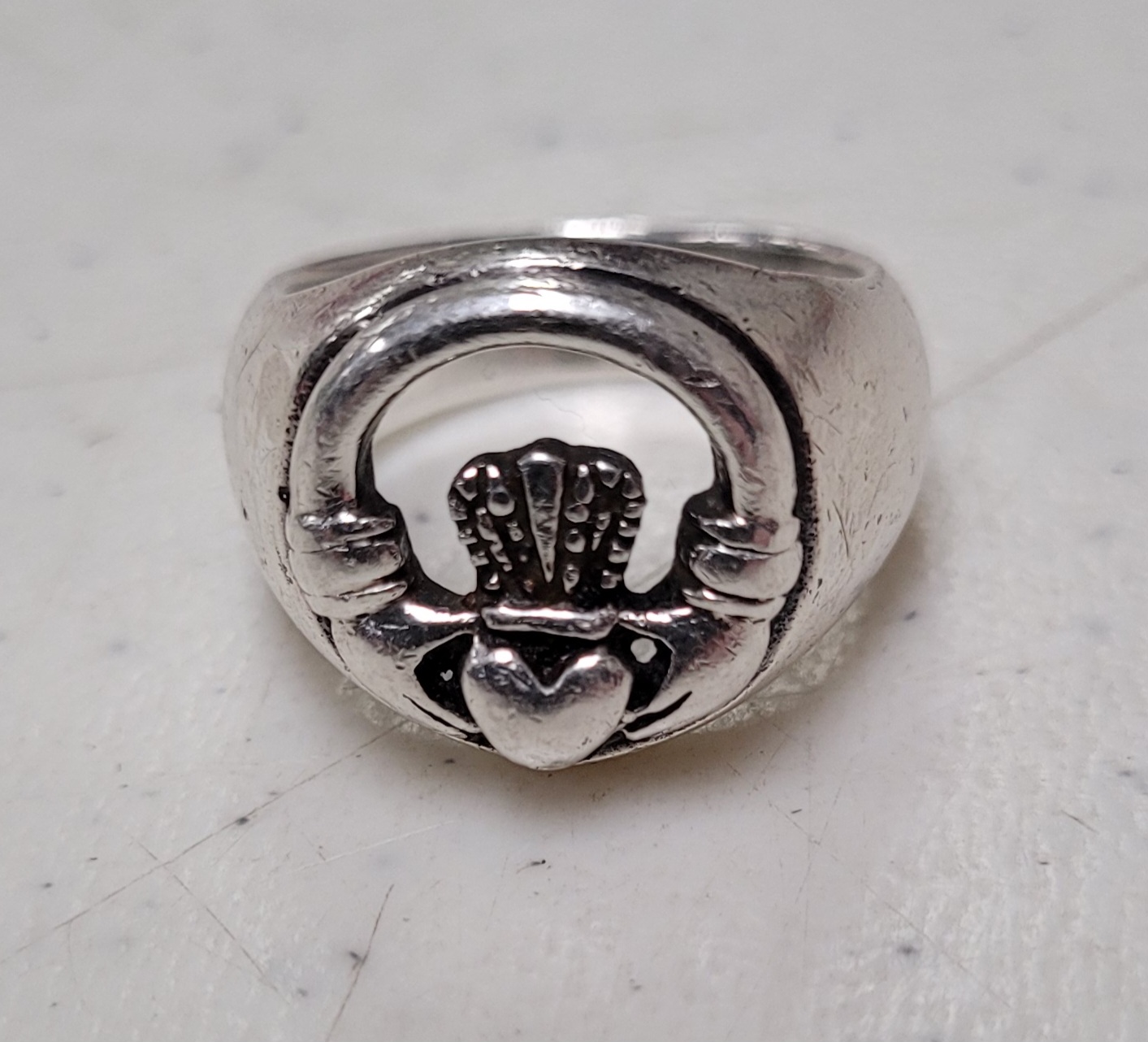
A Claddagh ring features a heart held by two hands, topped with a crown. The heart symbolizes love, the hands represent friendship, and the crown stands for loyalty. The metal you choose can complement these meanings. A warm yellow gold ring feels traditional and timeless. White gold or platinum gives a modern, sleek look. Rose gold adds a romantic, vintage feel. Think about the jewelry the wearer already owns. If they usually wear silver or white metals, a white gold or platinum Claddagh ring will match their existing pieces. If they prefer gold, yellow or rose gold will blend in better.
Assess the Retail Price Against the Metal Quality
Price is always a factor, but it should align with the metal's value and craftsmanship. A ring made of 18K gold will cost more than one in 10K gold, partly because of the higher gold content. Platinum rings are typically the most expensive due to the metal's density and rarity. Sterling silver is the most budget-friendly. However, a low price on a gold ring could mean the alloy content is poor or the craftsmanship is substandard. Compare the weight of the ring, the karat, and the complexity of the design. A well-made ring with a secure setting and smooth finish is worth paying for. Be wary of prices that seem too good for the metal type stated.
Check the Ring's Finish and Details
Inspect the surface of the ring. A quality Claddagh ring should have a smooth, even finish without rough edges or visible seams. The hands should be clearly defined, and the heart and crown should be well-shaped. If the ring has a high-polish finish, look for any scratches or dull spots. Some rings have a matte or brushed finish, which hides scratches better but may wear differently over time. The inside of the band should be comfortable and smooth, not sharp. These details reflect the care taken in making the ring and affect how it feels when worn.
Think About Long-Term Care
Different metals require different maintenance. Yellow and rose gold are relatively low-maintenance; they can be polished to restore their shine. White gold needs rhodium replating every few years to stay bright. Platinum may develop a patina over time, which some people like, but it can be polished back to a shine. Sterling silver tarnishes and needs regular cleaning with a silver cloth. Consider how much care you are willing to put into the ring. For a ring worn every day, a metal that needs less upkeep may be a better choice. Diamond-rings-info covers these care tips in more depth, helping you decide what fits your lifestyle.
Verify the Seller's Reputation
Buy from a jeweler who is transparent about the metal purity and alloy content. Ask for a certificate of authenticity or a detailed receipt that lists the karat, weight, and any plating. Read reviews to see if other buyers were satisfied with the quality and accuracy of the description. A trustworthy seller will answer your questions about hallmarks, metal origins, and care instructions without hesitation. If you are buying online, check the return policy in case the ring does not match what was advertised.
Match the Metal to the Wearer's Lifestyle
Someone who works with their hands or is active may want a harder metal like 10K gold or platinum, which resist scratches better. Someone with a desk job might be fine with 18K gold or sterling silver. Also consider allergies. If the wearer has sensitive skin, avoid nickel-containing white gold and opt for platinum, palladium white gold, or a hypoallergenic gold alloy. A ring that causes irritation will not be worn, no matter how beautiful it is.

Final Checks Before You Buy
Make sure the ring size is correct. A Claddagh ring that is too loose can slip off and get lost; one that is too tight will be uncomfortable. Know the wearer's ring size or have them measured by a jeweler. Check that the design is proportionate to the hand. A large, heavy ring on a small finger can look unbalanced. Finally, trust your instincts. If a deal feels off or the metal seems misrepresented, walk away. A quality Claddagh ring is an investment that should last for years, and the right metal is a big part of that.